Young Indonesians Are Redefining the Meaning of Healthy Eating
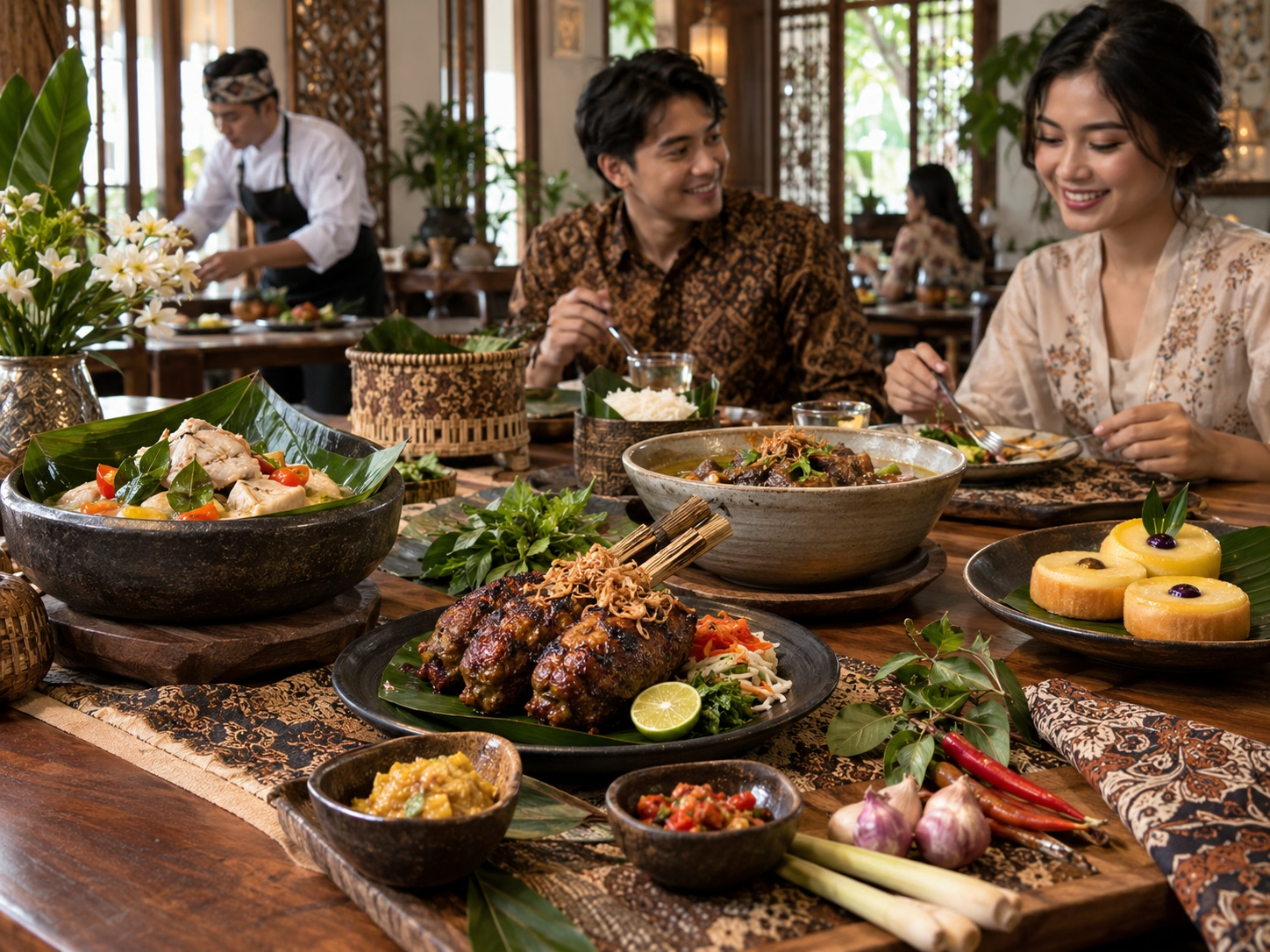
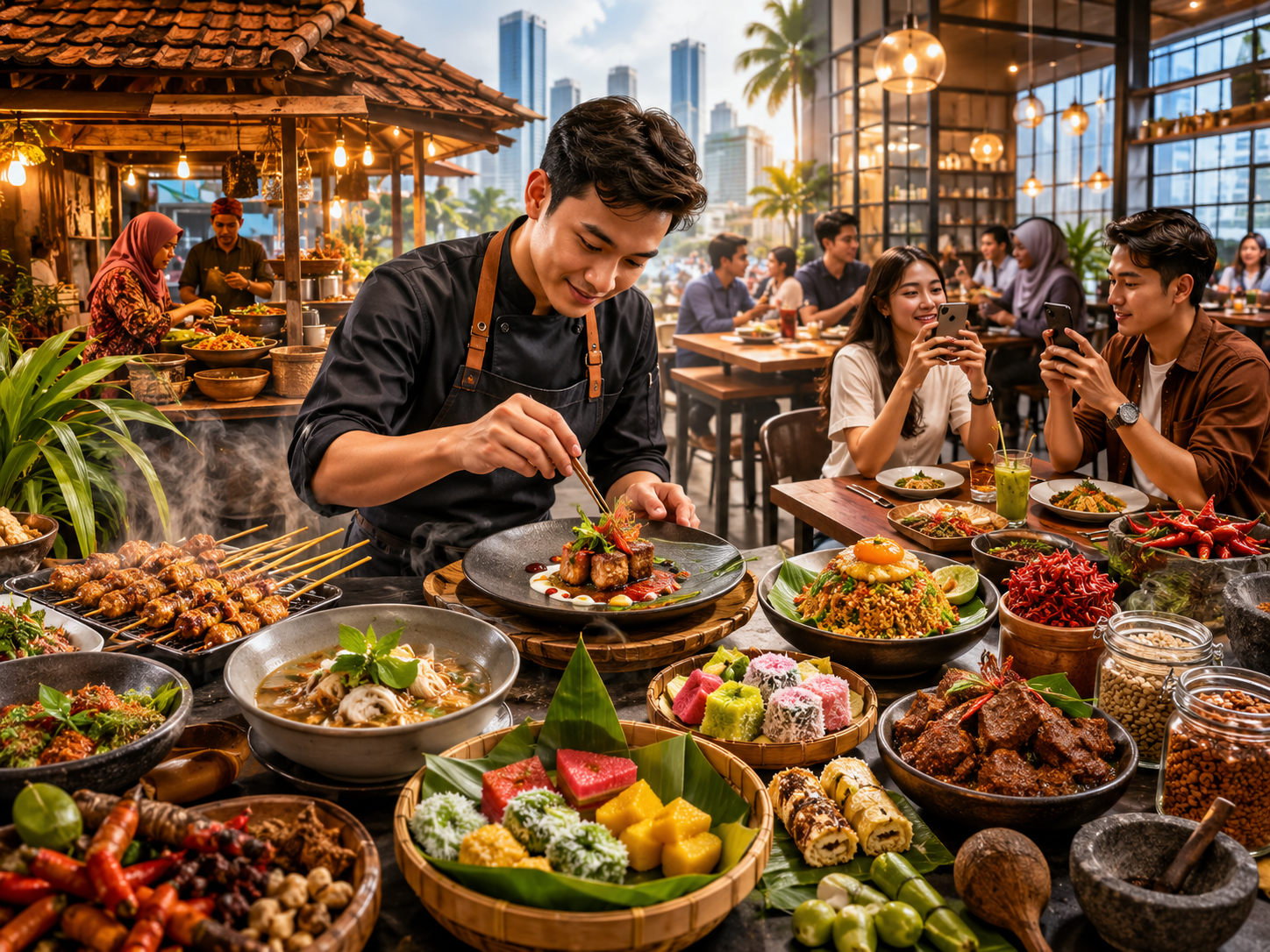
A significant change is happening among Indonesia’s younger population. Gen Z and millennials are increasingly treating food as an important part of their lifestyle, identity, and personal wellness goals.
Previously, many diet trends focused mainly on losing weight quickly. Today, younger consumers are more interested in sustainable health improvements, including better energy, improved fitness performance, and stronger mental well-being.
This shift has influenced restaurants, cafes, and food brands to create menus that match modern expectations. Healthy bowls, protein-based meals, sugar-free drinks, and functional beverages have become increasingly visible in urban food markets.
Social Media Creates New Nutrition Awareness
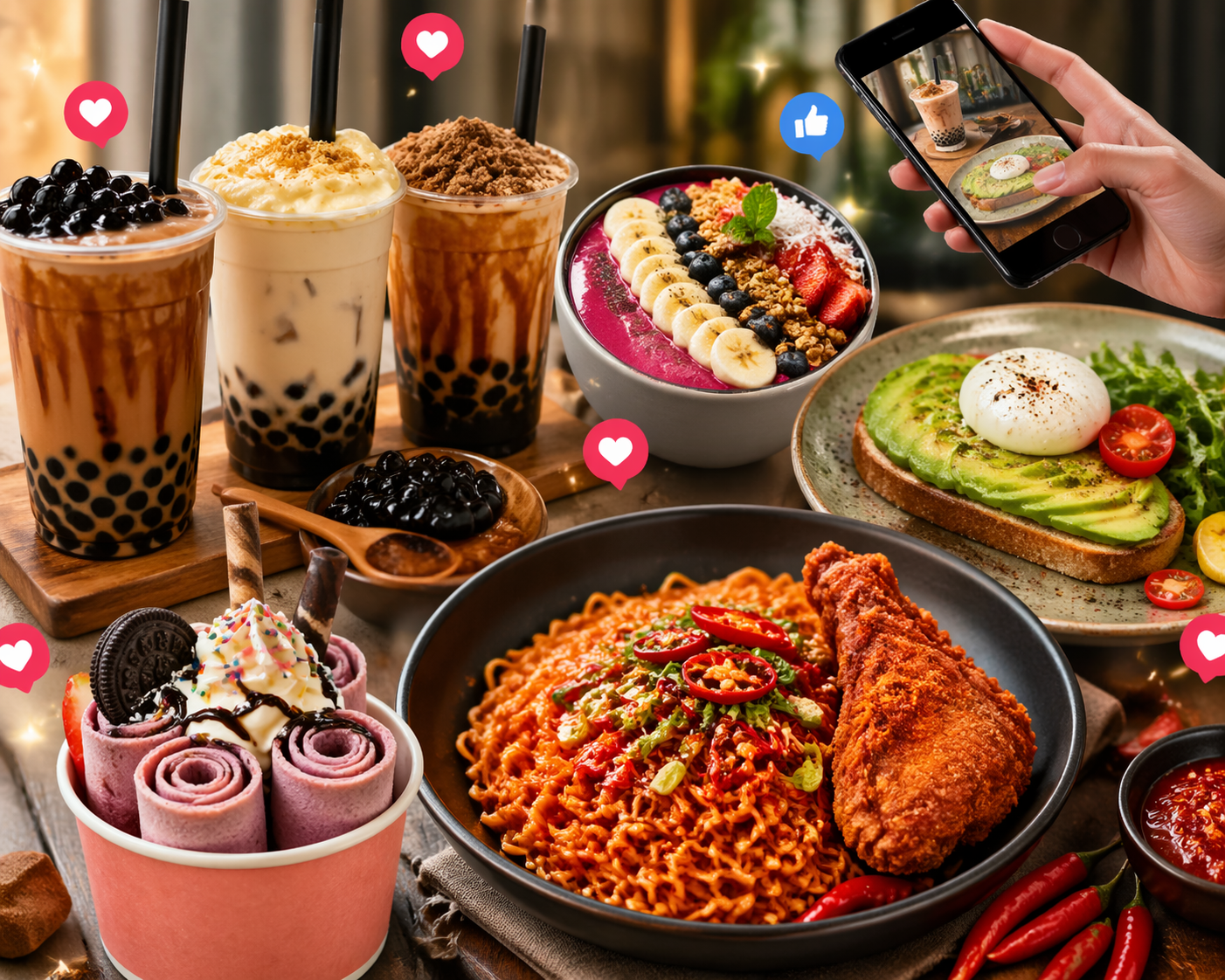
Social media has become one of the biggest influences behind Indonesia’s changing diet culture. Platforms such as Instagram, TikTok, and YouTube have introduced millions of users to global wellness trends.
However, Indonesian consumers are not simply copying international diets. They are adapting them based on local ingredients and cultural preferences.
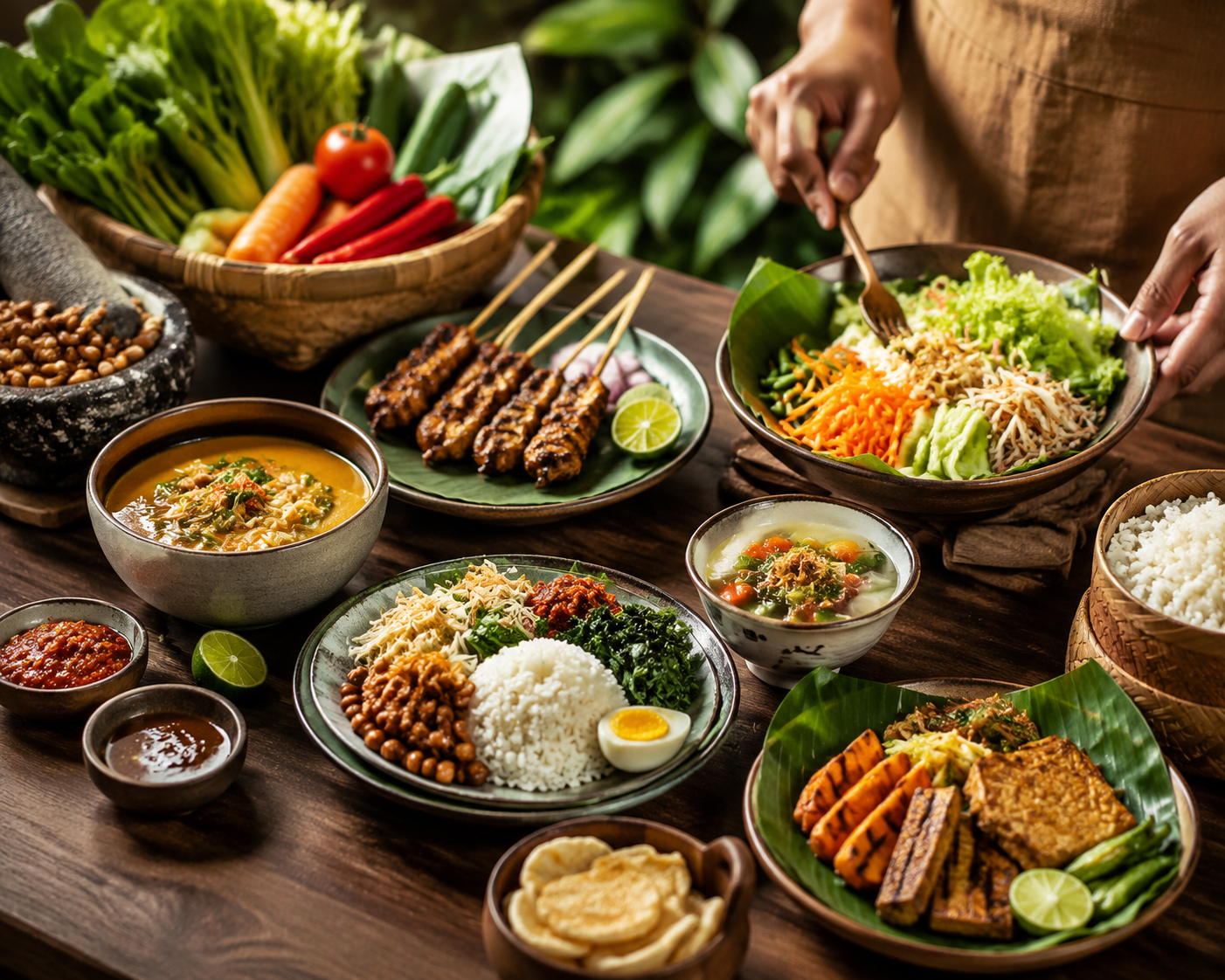
For example, smoothie bowls may use tropical fruits, while high-protein meals may include tempeh, tofu, eggs, and local seafood. This combination creates a unique Indonesian version of modern healthy eating.
The Ministry of Health of Indonesia continues to promote balanced nutrition through the “Isi Piringku” concept, encouraging people to maintain appropriate proportions of staple foods, vegetables, fruits, and protein.
Source: https://ayosehat.kemkes.go.id/isi-piringku
The Shift From Diet Restrictions to Nutritional Awareness
One important development in Indonesia’s diet trends is the movement away from restrictive eating. Many consumers now understand that eliminating entire food groups may not always create healthy results.
Nutrition awareness encourages people to focus on quality ingredients, balanced portions, and consistent habits.
This perspective has increased demand for personalized nutrition services. Some companies now offer customized meal plans based on fitness goals, medical needs, or lifestyle preferences.
Real Business Impact: Healthy Food Becomes Mainstream
The growth of healthy eating has created new opportunities for entrepreneurs. Small businesses and startups are entering the market with innovative concepts such as calorie-controlled meals, organic products, and environmentally friendly packaging.
Healthy food is also becoming more accessible through online delivery platforms. Consumers who previously considered nutritious meals expensive now have more options across different price ranges.
Indonesia’s Future Diet Landscape
The evolution of Indonesian diet culture shows that health is becoming a central factor in food decisions. Younger generations are creating demand for meals that combine convenience, nutrition, affordability, and cultural relevance.
The future of healthy culinary trends in Indonesia will likely focus on personalization, transparency, and sustainability rather than temporary diet movements.